
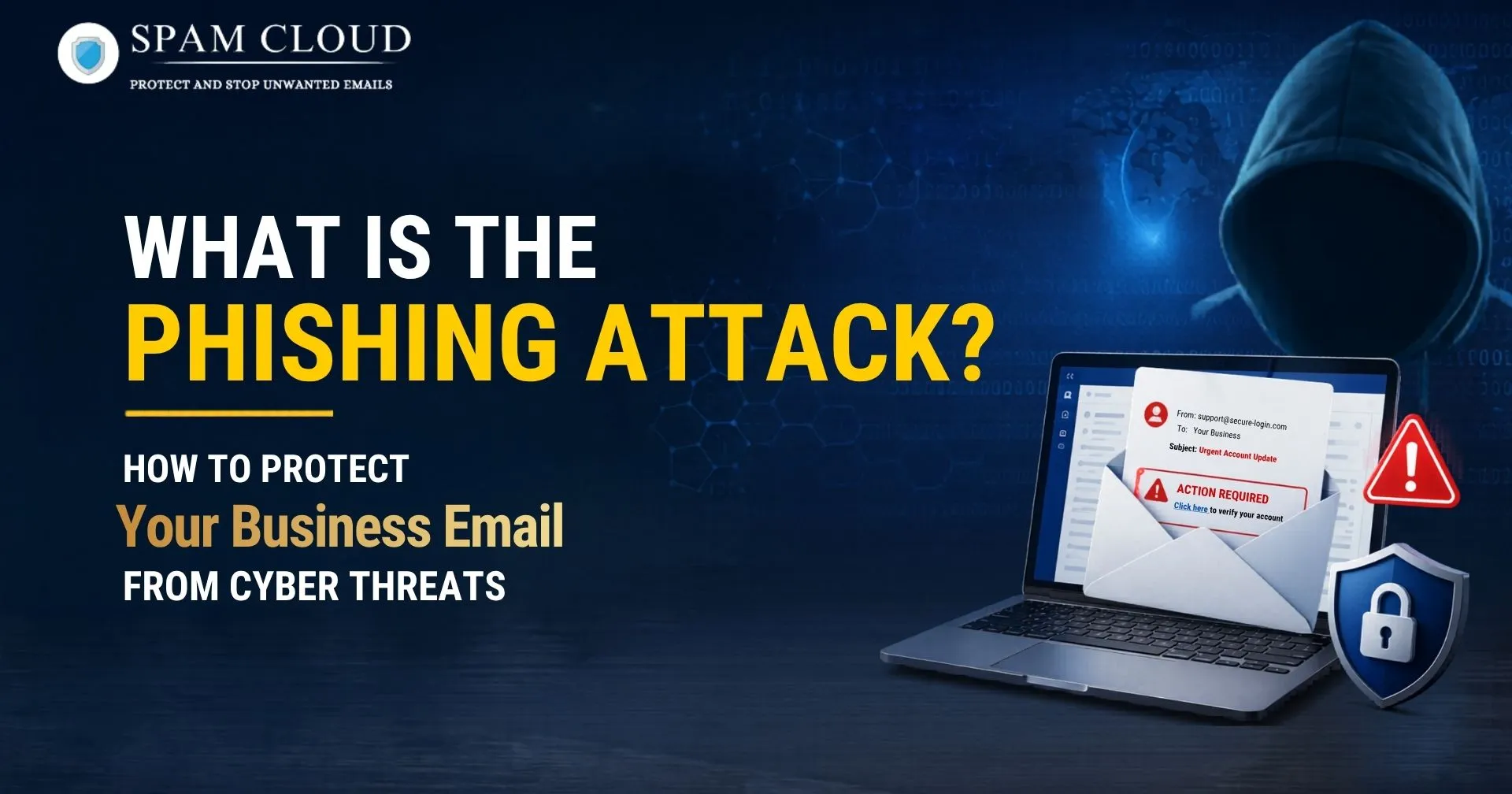
What Is the Phishing Attack? How to Protect Your Business Email from Cyber Threats
Cyber threats continue to evolve, and email remains one of the most common entry points for attackers. Businesses of all sizes face risks from fraudulent messages designed to steal sensitive information, financial data, or login credentials. Understanding what is the phishing attack and how to defend against it is essential for maintaining a secure business environment.
As organizations increasingly rely on digital communication, the importance of strong email security continues to grow. Cybercriminals often target business email accounts because they can provide access to valuable company data, customer information, and financial resources. Effective email security measures help identify suspicious messages, block malicious content, and reduce the risk of successful phishing attacks. By combining advanced email security solutions with employee awareness training, businesses can strengthen their defenses and better protect sensitive communications from evolving cyber threats.
What Is the Phishing Attack?
Many business owners ask, what is the phishing attack and why it remains such a significant cybersecurity concern. A phishing attack is a form of cybercrime in which attackers impersonate trusted organizations, colleagues, or service providers to trick recipients into revealing confidential information or clicking malicious links.
The effectiveness of phishing lies in social engineering. Instead of targeting technical vulnerabilities, criminals exploit human trust and behavior. This makes understanding what is the phishing attack a critical first step in protecting company assets and sensitive data.
Why Businesses Are Frequent Targets
Businesses are attractive targets because they store valuable information, including customer records, financial details, and intellectual property. Attackers often use a phishing scam email to gain unauthorized access to business systems or launch larger cyberattacks.
When discussing what is the phishing attack, it is important to recognize that organizations face higher risks due to the number of employees handling email communications daily. Even a single successful attack can lead to significant financial losses, operational disruptions, and reputational damage.In many cases, a carefully crafted phishing scam email can bypass initial suspicion because it closely resembles legitimate business correspondence. As attackers become more sophisticated, distinguishing fraudulent messages from genuine communications becomes increasingly challenging.
What Is Email Security and Why Does It Matter?
To effectively defend against phishing, organizations must understand what is email security. Email security refers to the technologies, policies, and practices designed to protect email accounts, communications, and data from unauthorized access, attacks, and misuse. It helps businesses build multiple layers of protection. These measures may include spam filtering, encryption, multi-factor authentication, threat detection systems, and employee awareness training.
Strong email security is essential because technical controls alone cannot completely eliminate phishing risks. While filters can block many threats, some malicious messages still reach employee inboxes. This is where education and awareness play a critical role.
Common Signs of a Phishing Scam Email
Recognizing a phishing scam email is one of the most effective ways to prevent cyber incidents. Several warning signs can indicate a fraudulent message:
- ✓Unexpected requests for passwords or financial information.
- ✓Urgent language demanding immediate action.
- ✓Suspicious links or attachments.
- ✓Generic greetings instead of personalized names.
- ✓Poor grammar, spelling errors, or unusual formatting.
- ✓Sender addresses that closely resemble legitimate domains.
Understanding these indicators can help employees identify a phishing scam email before interacting with it. Regular training programs reinforce these skills and reduce the likelihood of successful attacks.
Best Practices for Protecting Business Email
Understanding what is the phishing attack is only part of the solution. Businesses must also implement practical safeguards to reduce exposure to cyber threats. Partnering with a reliable email security service provider can help organizations strengthen their defenses against phishing attempts, malware, ransomware, and other email-based attacks. An experienced email security service provider offers advanced protection features such as threat detection, spam filtering, email authentication, and real-time monitoring to identify and block malicious messages before they reach employee inboxes.
1. Employee Training
Human error remains one of the leading causes of successful phishing attacks. Regular training helps employees recognize suspicious messages and report potential threats promptly. Simulated phishing exercises can improve awareness and response capabilities.
2. Multi Factor Authentication
Multi factor authentication adds an additional layer of protection by requiring users to verify their identity through multiple methods. Even if a phishing scam email successfully captures login credentials, attackers may still be unable to access accounts.
3. Email Filtering and Threat Detection
Advanced security tools can identify malicious content before it reaches inboxes. These solutions analyze sender reputation, suspicious links, attachments, and behavioral patterns associated with phishing attempts.
4. Verification Procedures
Organizations should establish procedures for verifying unusual requests, especially those involving financial transactions or sensitive information. A simple phone call or secondary verification step can prevent costly mistakes caused by a phishing scam email.
5. Balancing Security and Productivity
Organizations often face challenges when implementing email protection measures. Understanding what is the phishing attack helps businesses make informed security decisions while maintaining productivity.
Strict security controls provide stronger protection but may introduce additional steps for employees. Aggressive filtering can block a phishing scam email, but it may also occasionally delay legitimate communications. Businesses must balance protection, usability, and budget considerations to create an effective security strategy.
6. Regular Software Updates
Keeping systems and applications updated helps close security gaps that attackers may exploit. Strong patch management practices complement broader email security efforts.
Frequently Asked Questions (FAQs)
1. What is phishing and give an example?
Phishing is a cyberattack that tricks people into sharing sensitive information. For example, a fake bank email asking you to verify your account details.
2. What are 7 signs of phishing?
Urgent messages, suspicious links, unexpected attachments, generic greetings, spelling errors, unusual sender addresses, and requests for sensitive information.
3. Can I be hacked if I reply to an email?
Replying alone usually won't hack your device, but it can confirm your email is active and lead to further phishing attempts.
4. What is the 12 second rule for emails?
The 12 second rule encourages users to spend 12 seconds checking the sender, links, and content before responding or clicking.
5. How can businesses protect themselves from phishing attacks?
Use email security tools, enable multi-factor authentication, train employees, and verify suspicious requests.
6. Why is email security important for businesses?
Email security helps prevent phishing attacks, data breaches, malware infections, and unauthorized access to business information.
Protect Your Business with Email Security Strategy
As cyber threats continue to evolve, understanding what is the phishing attack remains essential for modern organizations. A well crafted phishing scam email can bypass traditional defenses and exploit human trust, making email security a critical business priority.
SpamCloud, a trusted email security service provider, helps organizations stay ahead of evolving cyber risks with advanced email filtering, anti phishing protection, threat detection, and secure email solutions. Whether you're a small business or a large enterprise, SpamCloud provides the tools needed to safeguard your communications and strengthen your security posture.
Take action today. Protect your inboxes, secure your business data, and reduce phishing risks with SpamCloud's comprehensive email security solutions.
Stay updated
Subscribe for new posts and insights.